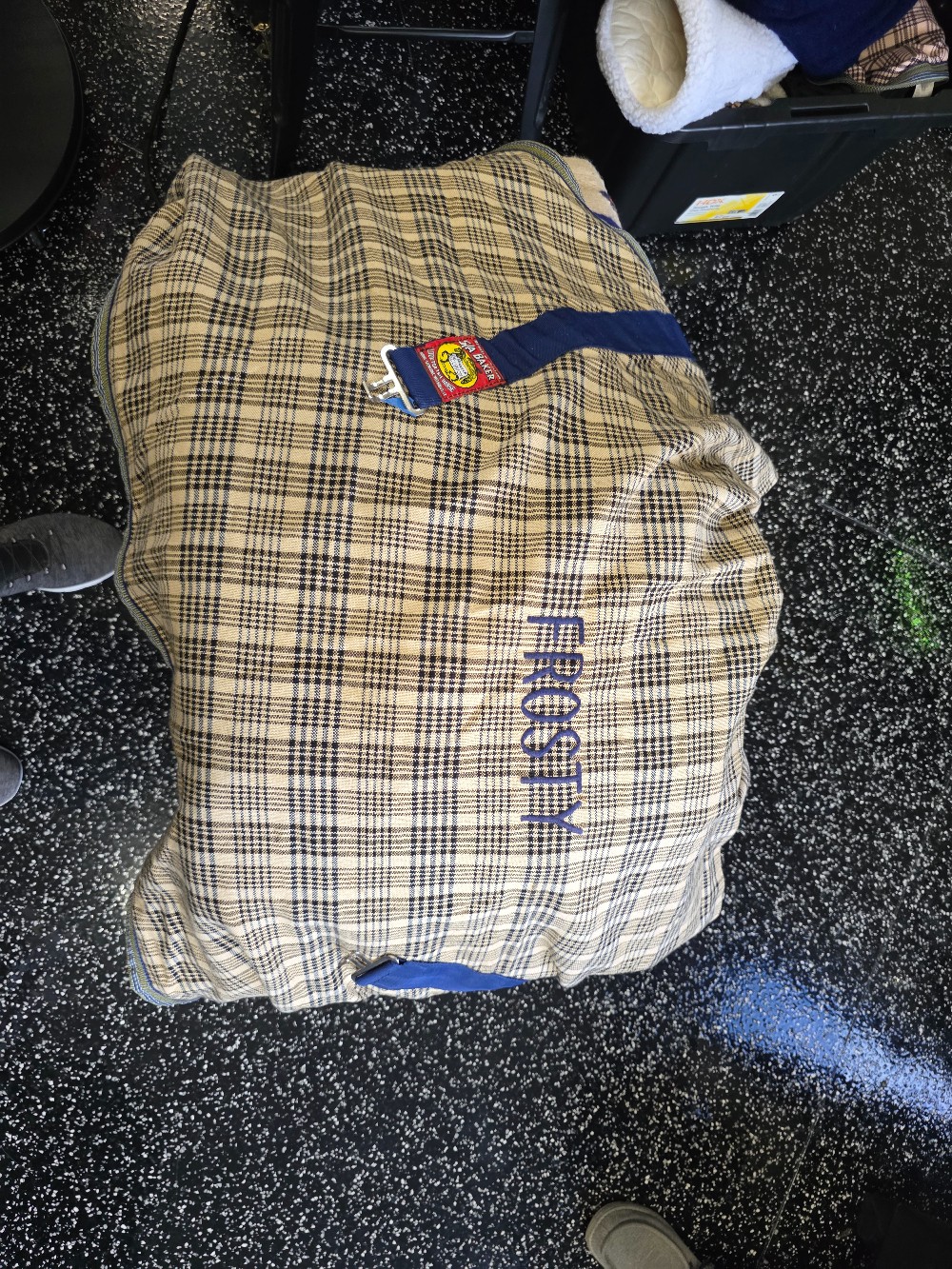
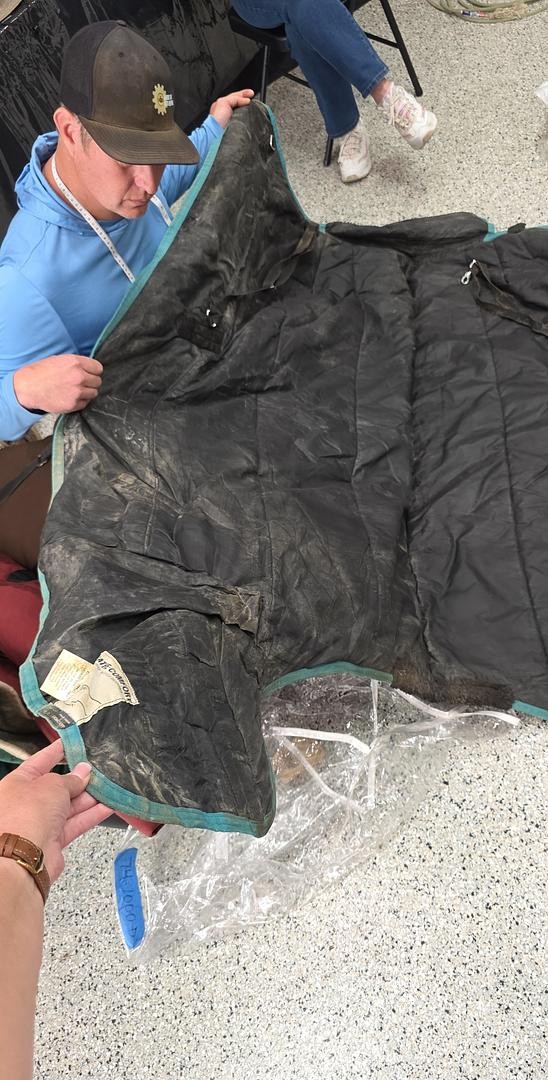
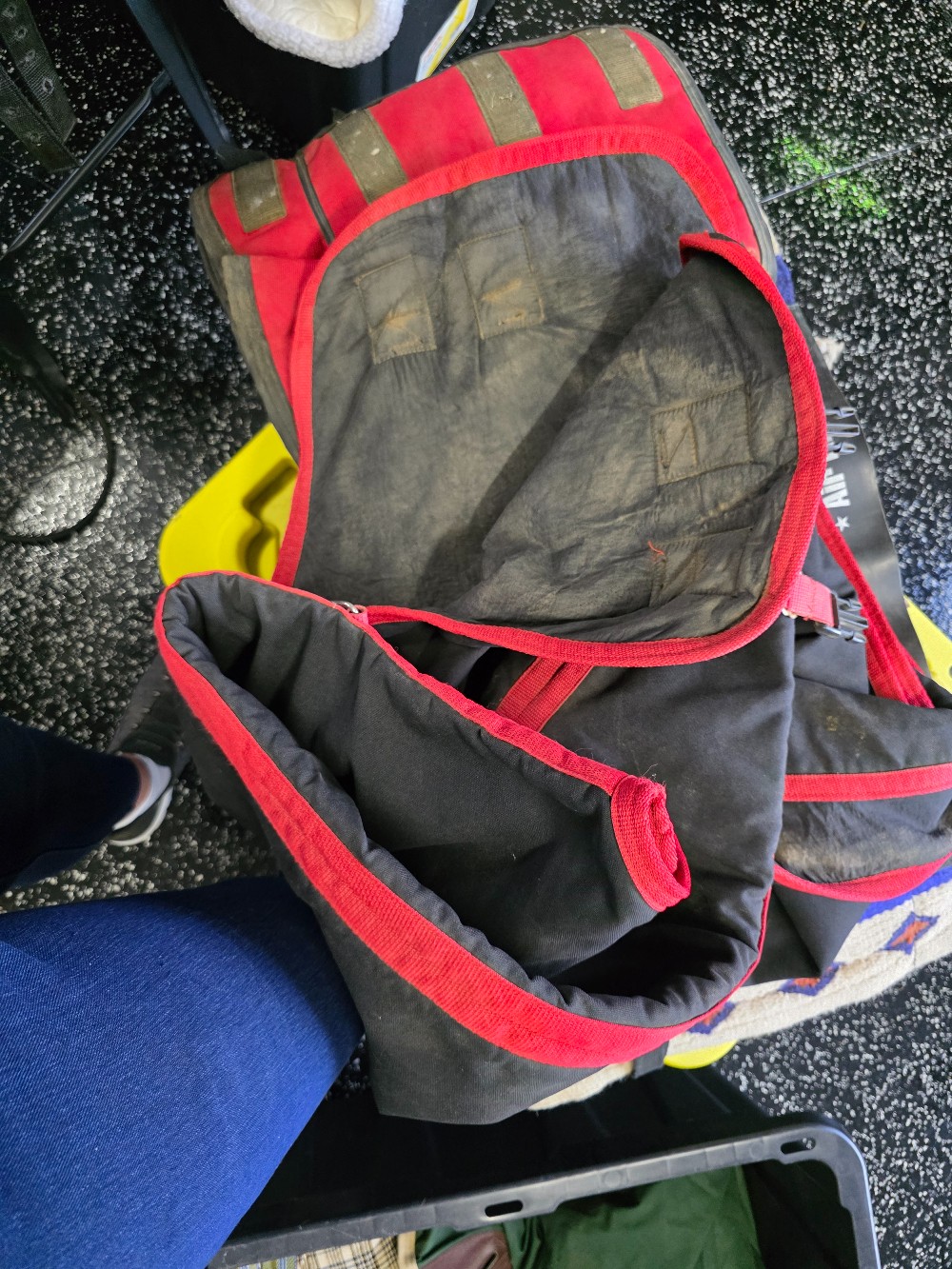
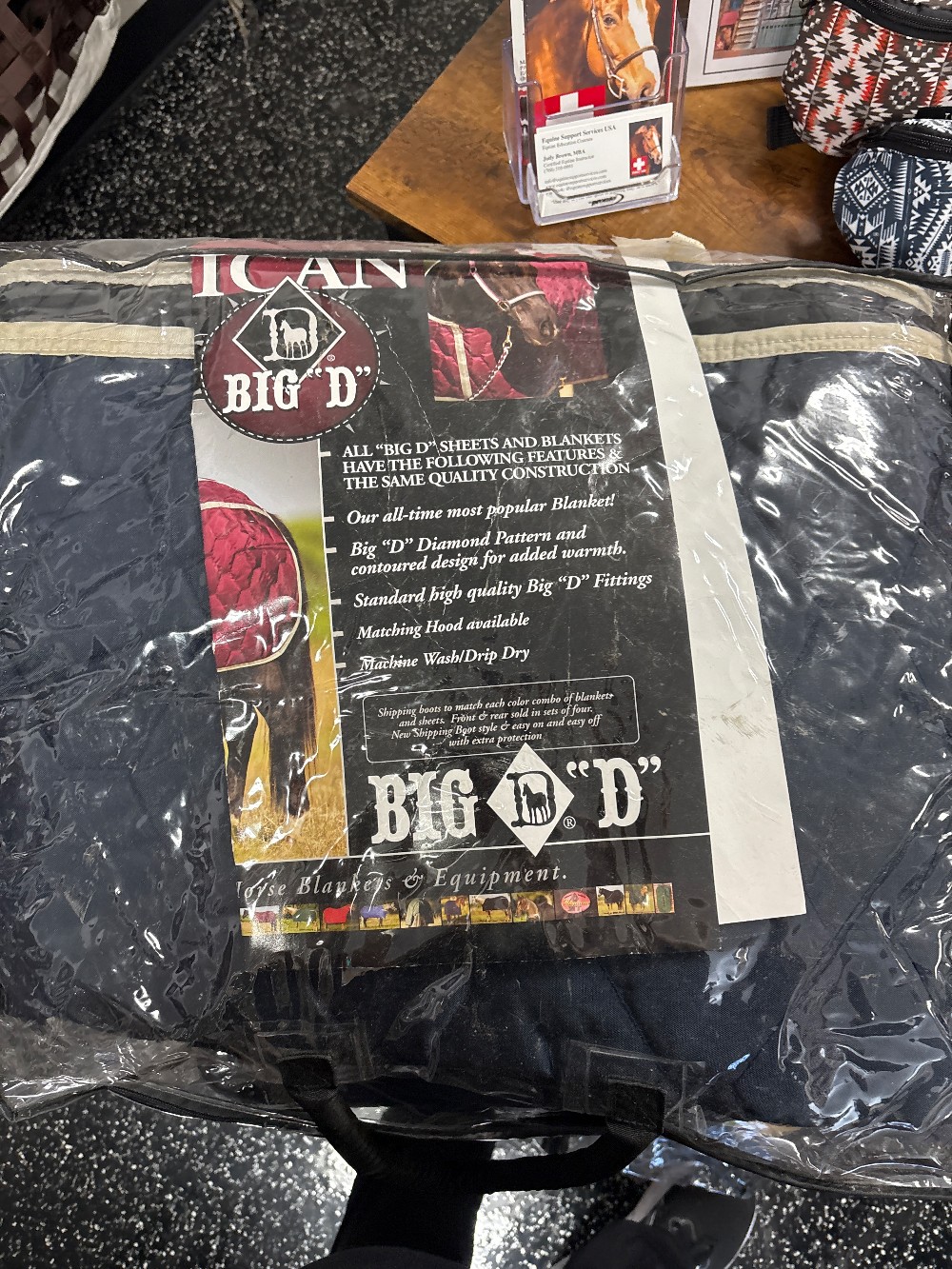
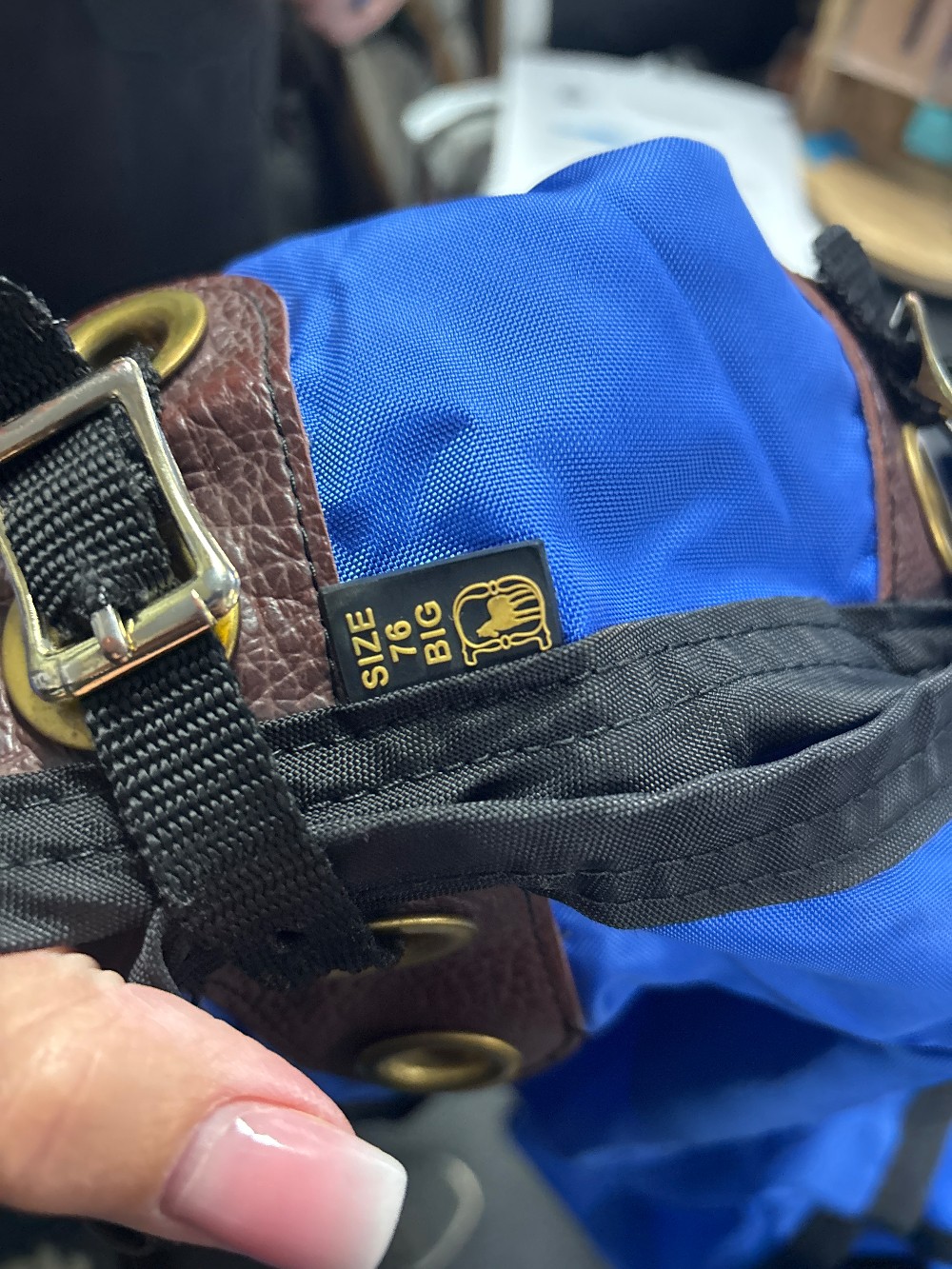
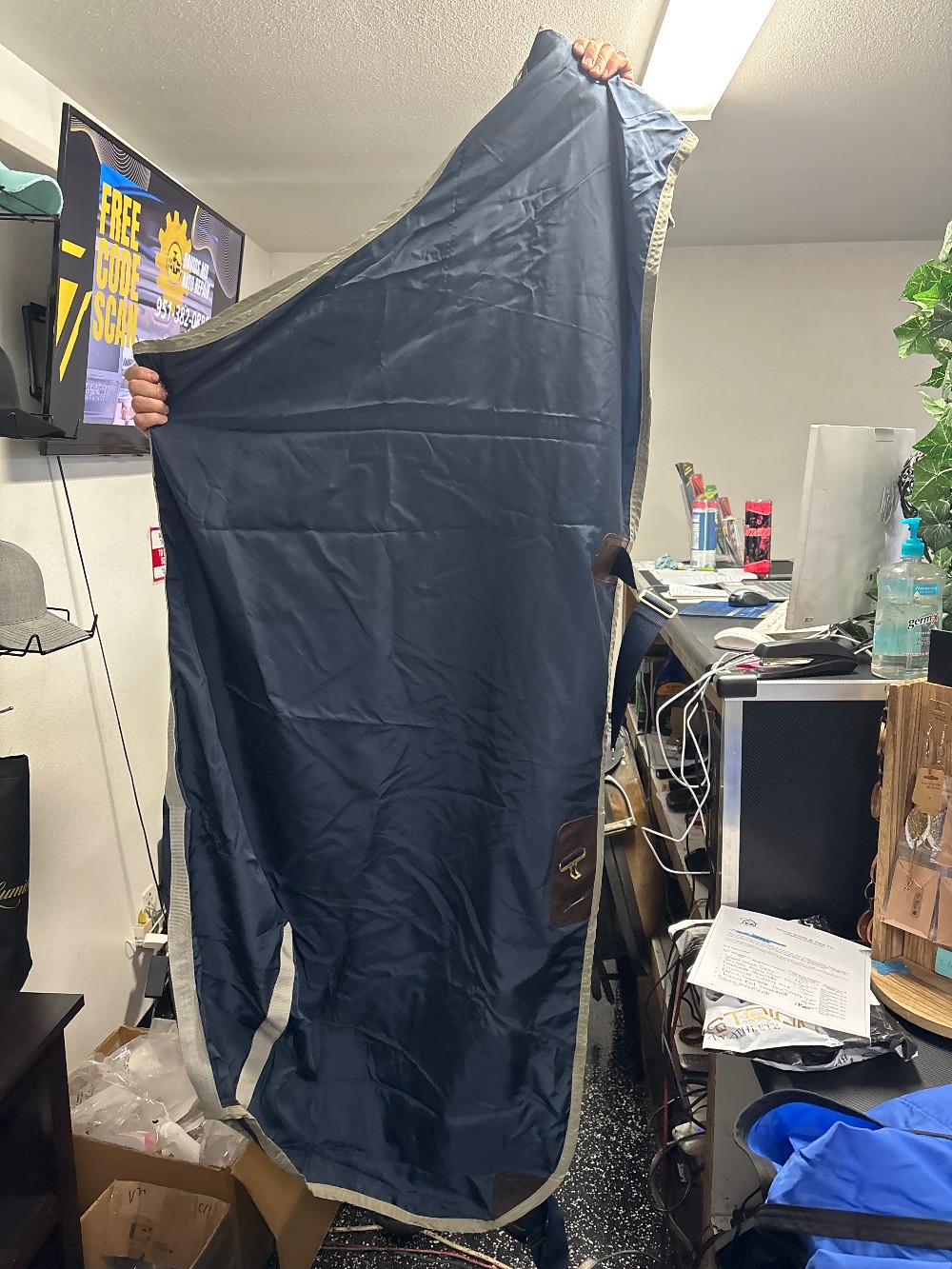
Horse blankets are categorized by insulation (fill weight in grams) and shell durability (denier), ranging from 0g sheets to 400g+ heavyweights for cold, wet, or clipped horses. Key types include Turnouts (waterproof/breathable) and Stable sheets (cozy/non-waterproof), usually measured in grams ( to ). Horse Blanket Weight Meanings (Fill) Weight refers to the amount of polyfill insulation inside the blanket. More grams equals more warmth. Dover Saddlery Dover Saddlery Sheet / No Fill ( ): Uninsulated sheet for wind/rain protection, mild, or rainy days. Lightweight ( - ): Minimal insulation for cool, changeable weather, fall, or active horses. Medium Weight ( - ): Versatile, suitable for average winter chill and typical temperatures, often 180gā250g. Heavyweight ( - ): Maximum insulation for freezing temperatures, extreme cold, or body-clipped horses. Ultra-Heavyweight ( ): Maximum protection for severe, arctic cold. Dover Saddlery Dover Saddlery +2 Key Descriptions & Features Turnout Blanket: Waterproof and breathable, designed for horses to wear outside. Stable Blanket/Sheet: Designed for inside, not waterproof. Offers comfort in a stall. Denier (D): Measures the durability of the outer fabric. Higher denier ( +) means higher strength/durability. Combo/Neck Cover: Features an attached or detachable neck piece, crucial for clipped horses. Liner: A blanket worn underneath a shell to increase warmth without needing multiple outer blankets. Cooler: Fleece or wool, used for wicking sweat/moisture after workouts. Choosing the Right Blanket Clipping: Fully clipped horses need heavier, often high-neck blankets. Temperatures: ( ) and above needs no/light, s- s F requires mid-weight, below ( ) demands heavy. Skin Test: If the horse's skin under the shoulder/back feels cold, go up a weight